Corporate Commercial
Corporate Commercial
The Most Important Contract Clauses Every Nigerian Business Should Understand
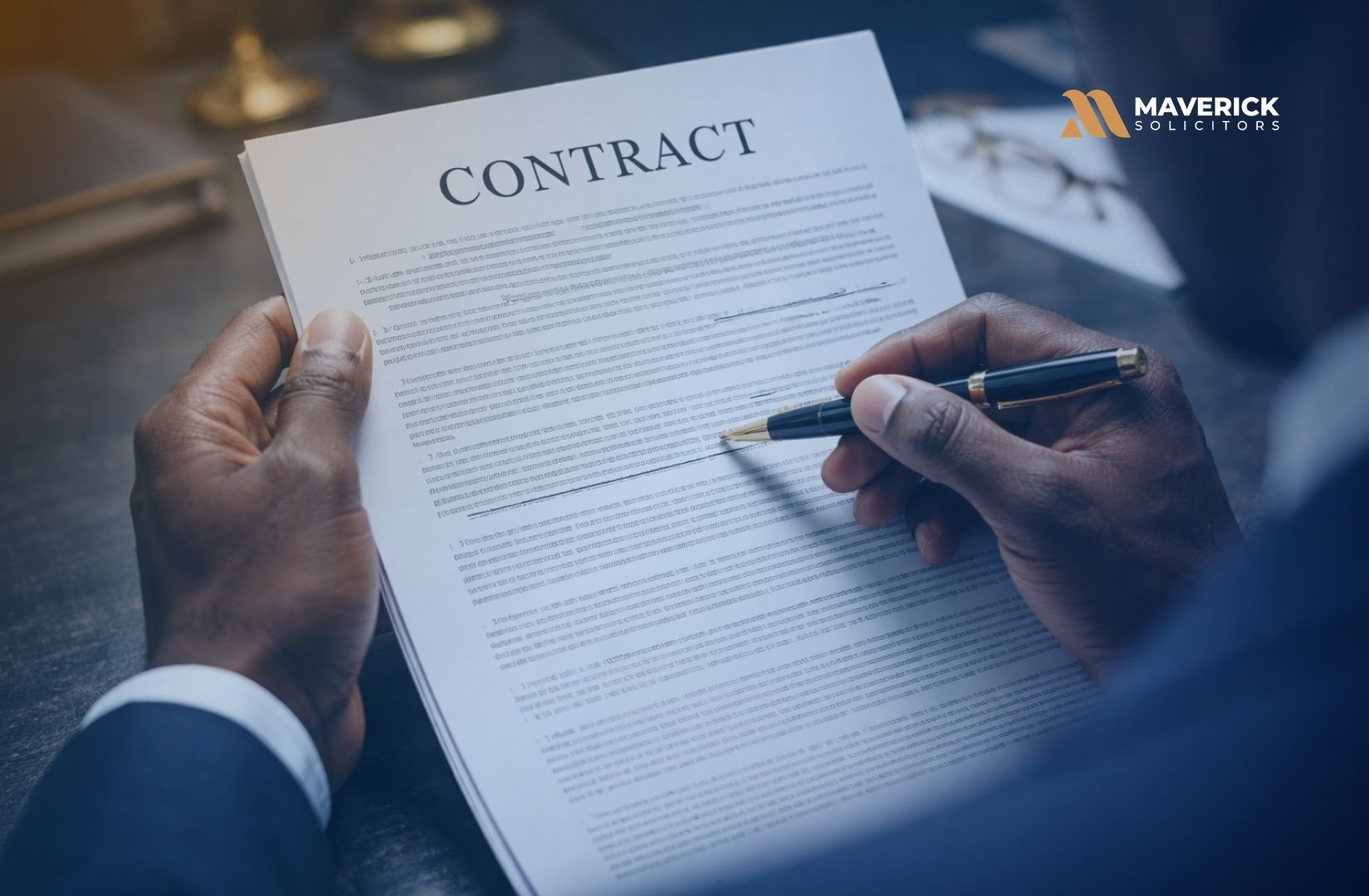
One mistake many business owners make is assuming that once a deal looks good, the contract behind it must also be fine.
So they sign.
Sometimes without reading it carefully. Sometimes without fully understanding what the clauses actually mean. But when a problem arises delayed payment, breach of agreement, or a disagreement between parties the very first thing everyone turns to is the contract; and that is usually when people begin to notice the clauses they ignored.
The truth is, a contract is not just paperwork. It is the document that determines who is responsible for what, who bears the risk, and what happens if things go wrong. For anyone running a business or entering commercial transactions in Nigeria, here are a few contract clauses you should always pay attention to.
Payment Terms
This is one of the most common sources of business disputes.
Your contract should clearly state:
The exact amount to be paid
When payment is due
The method of payment
Penalties or consequences for late payment
When these details are vague, misunderstandings are almost inevitable.
Termination Clause
Not every business relationship will go as planned.
A termination clause explains how either party can legally end the agreement. It may specify:
The conditions under which the contract can be terminated;
The notice period required before termination;
Any obligations that remain after termination;
Without this clause, exiting a business arrangement can become legally complicated.
Dispute Resolution
Disagreements can arise even in the best business relationships.
A dispute resolution clause usually outlines:
Whether parties must attempt negotiation first;
If mediation or arbitration should be used;
Whether disputes may proceed to litigation in court;
The location or jurisdiction where disputes will be resolved;
Knowing this beforehand can save both parties significant time and cost.
Force Majeure
Sometimes circumstances beyond anyone’s control make it impossible to perform contractual obligations.
A force majeure clause usually covers situations such as:
Natural disasters
Government regulations or restrictions
War or civil unrest
Public health emergencies
This clause protects parties when performance becomes impossible due to unforeseen events.
Confidentiality
Many business transactions involve sharing sensitive information.
A confidentiality clause helps protect information such as:
Business strategies
Client or customer lists
Financial information
Pricing structures or trade secrets
For growing businesses, protecting this information can be crucial.
Liability
This clause determines who bears responsibility when things go wrong.
It may address:
Who is responsible for losses or damages
Limits on financial liability
Situations where liability may be excluded
Understanding this clause helps businesses properly assess the risks involved before signing.
Final Thought
Many business disputes do not arise because people intended to act unfairly. They arise because the parties did not fully understand the contract they signed.
Before entering into any agreement, take the time to read the key clauses and understand what they mean.
In business, the deal may be exciting but the contract is what protects you.
One mistake many business owners make is assuming that once a deal looks good, the contract behind it must also be fine.
So they sign.
Sometimes without reading it carefully. Sometimes without fully understanding what the clauses actually mean. But when a problem arises delayed payment, breach of agreement, or a disagreement between parties the very first thing everyone turns to is the contract; and that is usually when people begin to notice the clauses they ignored.
The truth is, a contract is not just paperwork. It is the document that determines who is responsible for what, who bears the risk, and what happens if things go wrong. For anyone running a business or entering commercial transactions in Nigeria, here are a few contract clauses you should always pay attention to.
Payment Terms
This is one of the most common sources of business disputes.
Your contract should clearly state:
The exact amount to be paid
When payment is due
The method of payment
Penalties or consequences for late payment
When these details are vague, misunderstandings are almost inevitable.
Termination Clause
Not every business relationship will go as planned.
A termination clause explains how either party can legally end the agreement. It may specify:
The conditions under which the contract can be terminated;
The notice period required before termination;
Any obligations that remain after termination;
Without this clause, exiting a business arrangement can become legally complicated.
Dispute Resolution
Disagreements can arise even in the best business relationships.
A dispute resolution clause usually outlines:
Whether parties must attempt negotiation first;
If mediation or arbitration should be used;
Whether disputes may proceed to litigation in court;
The location or jurisdiction where disputes will be resolved;
Knowing this beforehand can save both parties significant time and cost.
Force Majeure
Sometimes circumstances beyond anyone’s control make it impossible to perform contractual obligations.
A force majeure clause usually covers situations such as:
Natural disasters
Government regulations or restrictions
War or civil unrest
Public health emergencies
This clause protects parties when performance becomes impossible due to unforeseen events.
Confidentiality
Many business transactions involve sharing sensitive information.
A confidentiality clause helps protect information such as:
Business strategies
Client or customer lists
Financial information
Pricing structures or trade secrets
For growing businesses, protecting this information can be crucial.
Liability
This clause determines who bears responsibility when things go wrong.
It may address:
Who is responsible for losses or damages
Limits on financial liability
Situations where liability may be excluded
Understanding this clause helps businesses properly assess the risks involved before signing.
Final Thought
Many business disputes do not arise because people intended to act unfairly. They arise because the parties did not fully understand the contract they signed.
Before entering into any agreement, take the time to read the key clauses and understand what they mean.
In business, the deal may be exciting but the contract is what protects you.

Site Map
© 2024 Maverick Solicitors. All rights reserved.
DEVELOPED BY SHAKS STUDIOS
Site Map
© 2024 Maverick Solicitors. All rights reserved.
DEVELOPED BY SHAKS STUDIOS
Site Map
© 2024 Maverick Solicitors. All rights reserved.
DEVELOPED BY SHAKS STUDIOS
Site Map
© 2024 Maverick Solicitors. All rights reserved.
DEVELOPED BY SHAKS STUDIOS